Catholic · Emmaus course
When the Ground Gives Way: Trauma Care and Resilience After Disaster
When disaster strikes, the people caught in it do not need an expert. They need someone who shows up. In this one-hour lesson, Dr. Ben Keyes of Divine Mercy University explains how to steady, support, and help survivors recover, and why your presence may be the most protective thing you can offer.
NBCC CE · 1.25 clock hours · Helping Relationships (HR)
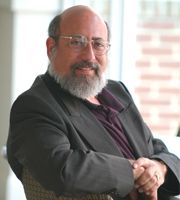
With Dr. Benjamin Keyes

- Length
- 1 hr 15 min
- Lessons
- 1
- Level
- Intermediate
- Version
- Catholic
- Price
- Free
I may be the person a survivor turns to, and I am not sure I would know what to do or say.
About this course
Most of us will, at some point, be the person a survivor turns to. A neighbor after the flood. A parishioner after the diagnosis. A stranger in a shelter. And most of us quietly fear we would not know what to do.
Dr. Ben Keyes has spent his career doing this work, from New Orleans after Katrina to Syria and Lebanon during the fighting to the shelters at the Tijuana border. In this conversation he explains what actually helps: how relief comes in waves, how to stabilize a person and bring their stress down, how to recognize when someone is heading toward post-traumatic stress, and why simply helping a person tell their story lowers the odds they develop PTSD.
You will also learn something reassuring. You do not have to be a clinician to help. Keyes is clear that clergy, chaplains, and trained lay helpers are often the front line, and that presence itself is the beginning of healing.
The lesson pairs Keyes’s field experience with serious scholarship: Craig Titus on resilience and the virtue of fortitude, the Catholic Christian Meta-Model of the Person, and DMU dissertations on treating PTSD. It closes with two further-reading sections, one psychological and one spiritual, so you leave with both the clinical picture and the deeper hope underneath it.
One focused hour. 1.25 NBCC clock hours in Helping Relationships. A certificate on completion.
Who this course is for
Licensed and graduate-level counselors
Licensed and graduate-level counselors who need NBCC hours and want them to be genuinely useful.
Also for Chaplains; Clergy; Spiritual directors; Lay ministry leaders; First responders; Nurses; Disaster-relief volunteers.
From the course syllabus
When a hurricane, an earthquake, a war, or a pandemic tears through ordinary life, the people caught in it do not need a lecture. They need someone to show up. This one-lesson course takes a Called to Flourish conversation with Dr. Benjamin Keyes, who directs the Center for Trauma and Resiliency Studies at Divine Mercy University, and works out what his field experience means for the counselor, chaplain, or lay helper who responds when disaster strikes.
Keyes lays out how disaster relief comes in waves: a first wave that stabilizes people so they can act, a second that lowers stress and secures what families need, and a longer recovery that rebuilds a life. Running through all of it is one conviction that the course takes seriously and grounds in scholarship: most of the real work is presence, and the single most protective thing you can offer a survivor is the chance to tell their story to someone who stays and listens. The lesson also covers who is most at risk, why resilience is a skill and not only an inheritance, how to recognize compassion fatigue in caregivers and first responders, and why a person’s faith, far from being a distraction, tends to speed recovery.
Curriculum
-
Module 1
When the Ground Gives Way: Trauma Care and Resilience After Disaster
- 1.The Three Waves: Presence, Stabilization, and Recovery After Disaster
More courses

When God Feels Silent: Discerning Consolation in Prayer
Ever prayed and felt nothing? You aren't doing it wrong. In this Divine Mercy University course, discover how God speaks, why feelings aren't the goal, and how St. Teresa’s garden analogy shows if your prayer life is truly growing.
1 hr · 1 lesson · Intermediate
With Fr. John Bartunek, LC

You Shall Not Be Overcome: Spiritual Vanity, Sacred Darkness, and the Peace That Persists
Why does prayer go dry? Fr. Groeschel reveals the hidden danger in spiritual progress — and the ancient promise that will carry you through.
1 hr 25 min · 3 lessons · Intermediate
With Fr. Benedict Groeschel, C.F.R.

Failure Is Not an Option: Leadership, Decision-Making & Virtue Under Pressure
An asynchronous, six-lesson formation course that uses six scenes from the film Apollo 13 (1995) — set beside the real April 1970 mission — as a case study in how good decisions get made and good character is revealed when everything is on the line.
3 hrs · 8 lessons · Beginner