Catholic · Emmaus course
The Wound No One Names: Post-Abortion Healing and the Work of Project Rachel
A one-lesson course on Catholic post-abortion healing through Project Rachel. Learn how sin, grief, and trauma shape recovery, why spiritual and psychological care belong together, and how counselors can accompany those carrying hidden wounds with compassion, listening, and hope.
NBCC CE · 1 clock hour
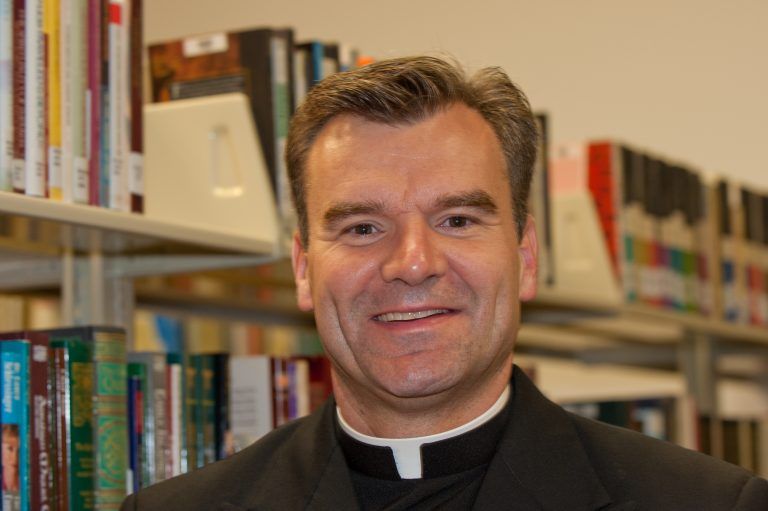
With Fr. Charles Sikorsky, LC, J.D., J.C.L.

- Length
- 1 hr
- Lessons
- 1
- Level
- Beginner
- Version
- Catholic
- Price
- Free
Earn CE credit on something they will actually remember and use. Recognize a wound that is common in their caseload and their pews but rarely spoken, and know what to do in the first conversation. Hold their faith and their clinical training together without one embarrassing the other.
About this course
Some wounds announce themselves. This one hides. People who have been through an abortion often spend years repressing it — too afraid to think about it, let alone say it aloud. In this one-hour course, Fr. Charles Sikorsky interviews Mary McCloskey of the U.S. Bishops’ Pro-Life Secretariat about Project Rachel, the Church’s abortion-healing ministry, and about the “three-legged stool” of sin, grief, and trauma that makes this a whole-person wound. You will leave knowing why an authentically Catholic response joins psychological and spiritual care, why proving a client’s guilt is smaller than they fear rarely sets them free, and what to do in the first conversation — starting with the one thing McCloskey says people most need: permission to speak.
Who this course is for
Licensed and pre-licensure mental-health counselors
Licensed and pre-licensure mental-health counselors who need NBCC clock hours and who work with grief, trauma, reproductive loss, or faith-integrated clients.
Also for Chaplains; Spiritual directors; Deacons; Priests; Parish and diocesan ministers.
From the course syllabus
Some wounds announce themselves. This one hides. In this short course, Fr. Charles Sikorsky, President of Divine Mercy University, interviews Mary McCloskey of the U.S. Bishops’ Pro-Life Secretariat about Project Rachel, the Catholic Church’s abortion-healing ministry — and about the people, common and near, who carry this injury in silence. McCloskey lays out the “three-legged stool” of sin, grief, and trauma that makes post-abortion healing a whole-person task, names the reality of coerced abortion and moral injury, and describes the disposition healing begins with: an “attitude of leisure and listening” that gives a person permission to speak a wound they may have repressed for decades.
The lesson turns that interview into working guidance for the helping professional. You will learn why an authentically Catholic response treats the spiritual and the psychological as partners rather than competitors, why proving a client’s guilt is smaller than they fear rarely sets them free, and what the counselor’s unique position — being “not the priest” — makes possible. It is a one-lesson course you can finish in about an hour, with graduate-level depth beneath a plain-spoken surface.
Curriculum
-
Module 1
Post-Abortion Healing and the Work of Project Rachel
- 1.Hope After Abortion: Sin, Grief, and Trauma in Post-Abortion Healing
Subject-matter experts
Mary McCloskey of the U.S. Bishops’ Pro-Life Secretariat
More courses

When God Feels Silent: Discerning Consolation in Prayer
Ever prayed and felt nothing? You aren't doing it wrong. In this Divine Mercy University course, discover how God speaks, why feelings aren't the goal, and how St. Teresa’s garden analogy shows if your prayer life is truly growing.
1 hr · 1 lesson · Intermediate
With Fr. John Bartunek, LC

You Shall Not Be Overcome: Spiritual Vanity, Sacred Darkness, and the Peace That Persists
Why does prayer go dry? Fr. Groeschel reveals the hidden danger in spiritual progress — and the ancient promise that will carry you through.
1 hr 25 min · 3 lessons · Intermediate
With Fr. Benedict Groeschel, C.F.R.

Failure Is Not an Option: Leadership, Decision-Making & Virtue Under Pressure
An asynchronous, six-lesson formation course that uses six scenes from the film Apollo 13 (1995) — set beside the real April 1970 mission — as a case study in how good decisions get made and good character is revealed when everything is on the line.
3 hrs · 8 lessons · Beginner