Catholic · Emmaus course
The Soul of Psychology: Faith, Reason, and the Philosophy of the Person
Every therapy already assumes an answer to one question — what is a human person? — and in 45 minutes this course shows you the answer hiding inside your own practice.
Drawing on a classic talk by Fr. Benedict Groeschel, C.F.R., you'll trace the difference between treating the mind as a neutral measuring instrument and recognizing the living person-
NBCC CE · 0.75 clock hours · Counseling Theory and Practice
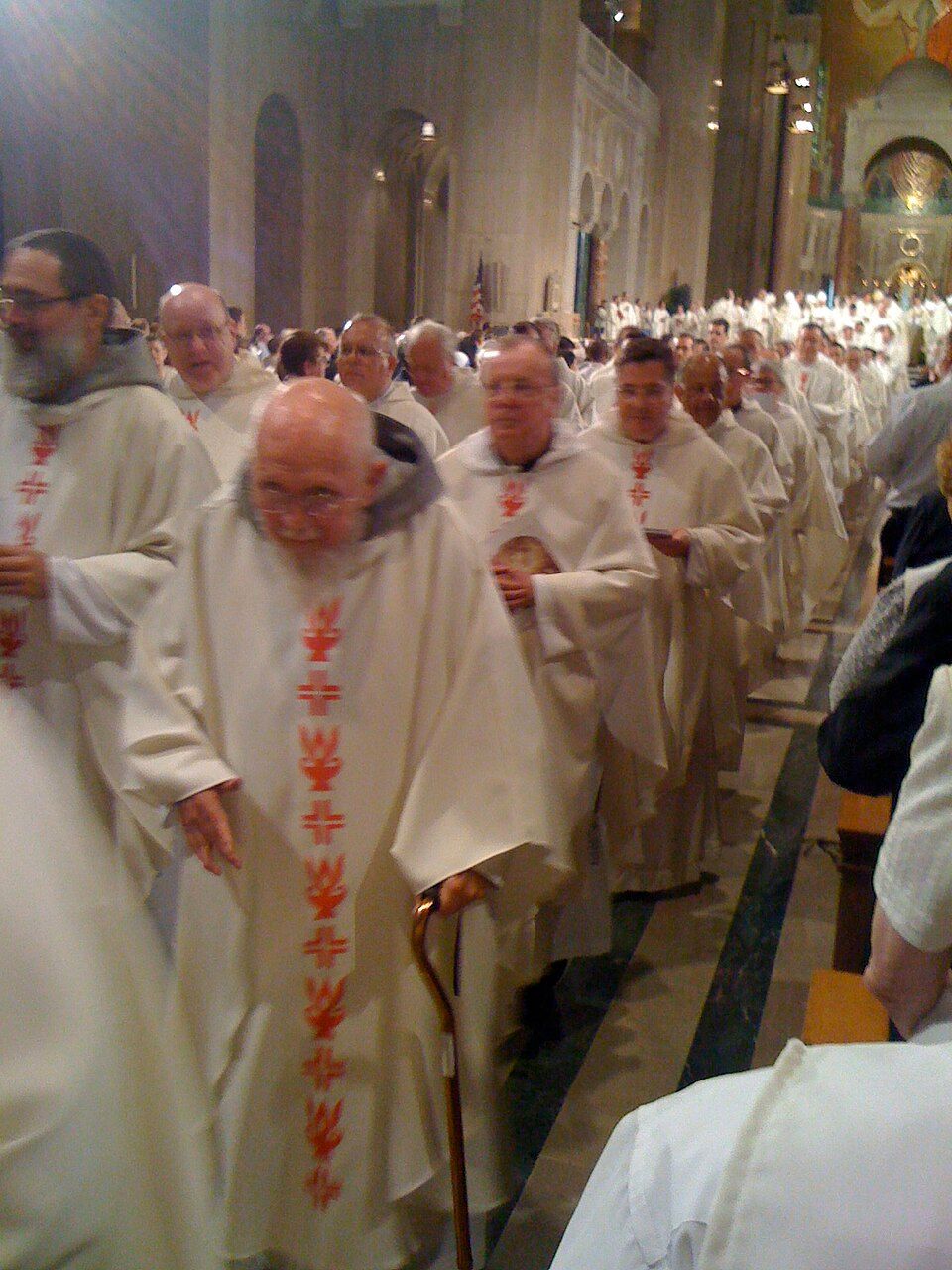
With Fr. Benedict Groeschel, C.F.R.

- Length
- 45 min
- Lessons
- 1
- Level
- Intermediate
- Version
- Catholic
- Price
- Free
people don't buy a lecture on philosophy; they "hire" a course to feel more competent, more grounded, and more whole in their work.
About this course
You can't not have a philosophy of the person. Every counselor carries one into the room, whether they've examined it or not, and it shapes how they listen, assess, and help. This short course brings that hidden foundation into the light. Drawing on a classic talk by Fr. Benedict Groeschel, C.F.R., you'll trace the difference between treating the mind as a neutral measuring instrument and recognizing the living person — with a history, a hunger, and a restless heart — inside every act of understanding. With St. Anselm, St. Augustine, and St. John Paul II's Fides et Ratio as guides, you'll come away not with a new technique but with something more durable: a clearer, more honest picture of the person that grounds everything you do next.
Who this course is for
Practicing Catholic counselors
Their job to be done is competence and integration.
Also for Graduate students / DMU learners; Formation directors / parish adult-ed leaders.
From the course syllabus
Every therapy, every assessment, every counseling theory quietly assumes an answer to one question: what is a human person? This short, single-lesson course brings that hidden assumption into the open. Working from a classic talk by Fr. Benedict Groeschel, C.F.R., it contrasts a strict objectivism, which treats the mind as a clear pane of glass, with a phenomenological view that takes seriously how a person's experience, attitudes, and desires shape the way reality appears. Along the way it draws on St. Anselm's claim that one must be "prepared spiritually" to understand the deepest things, St. Augustine's portrait of the restless interior self, and St. John Paul II's Fides et Ratio on faith and reason as "two wings." The result is a foundation, not a technique: a clearer, more honest picture of the person that grounds everything a counselor or pastoral worker does next.
Curriculum
-
Module 1
The Philosophy Beneath Psychology: How We Picture the Person
- 1.The Philosophy Beneath Psychology: How We Picture the Person
More courses

When God Feels Silent: Discerning Consolation in Prayer
Ever prayed and felt nothing? You aren't doing it wrong. In this Divine Mercy University course, discover how God speaks, why feelings aren't the goal, and how St. Teresa’s garden analogy shows if your prayer life is truly growing.
1 hr · 1 lesson · Intermediate
With Fr. John Bartunek, LC

You Shall Not Be Overcome: Spiritual Vanity, Sacred Darkness, and the Peace That Persists
Why does prayer go dry? Fr. Groeschel reveals the hidden danger in spiritual progress — and the ancient promise that will carry you through.
1 hr 25 min · 3 lessons · Intermediate
With Fr. Benedict Groeschel, C.F.R.

Failure Is Not an Option: Leadership, Decision-Making & Virtue Under Pressure
An asynchronous, six-lesson formation course that uses six scenes from the film Apollo 13 (1995) — set beside the real April 1970 mission — as a case study in how good decisions get made and good character is revealed when everything is on the line.
3 hrs · 8 lessons · Beginner