Catholic · Emmaus course
The Other as Mystery: Diversity, Uniqueness, and Cultural Humility in Clinical Practice
A single clock hour on diversity that changes how you see every client, grounded in the conviction that no person is reducible to a category.
Cultural competence usually arrives as a checklist. This course starts somewhere harder and more useful: the conviction, from four DMU psychologists, that each person is created uniquely and can never be reduced to a category, a diagnosis, or your own assumptions. Watch a short faculty conversation, read two focused enrichments (clinical and spiritual), and take a 10-question post-test.
NBCC CE · 1 clock hour · Social and Cultural Foundations
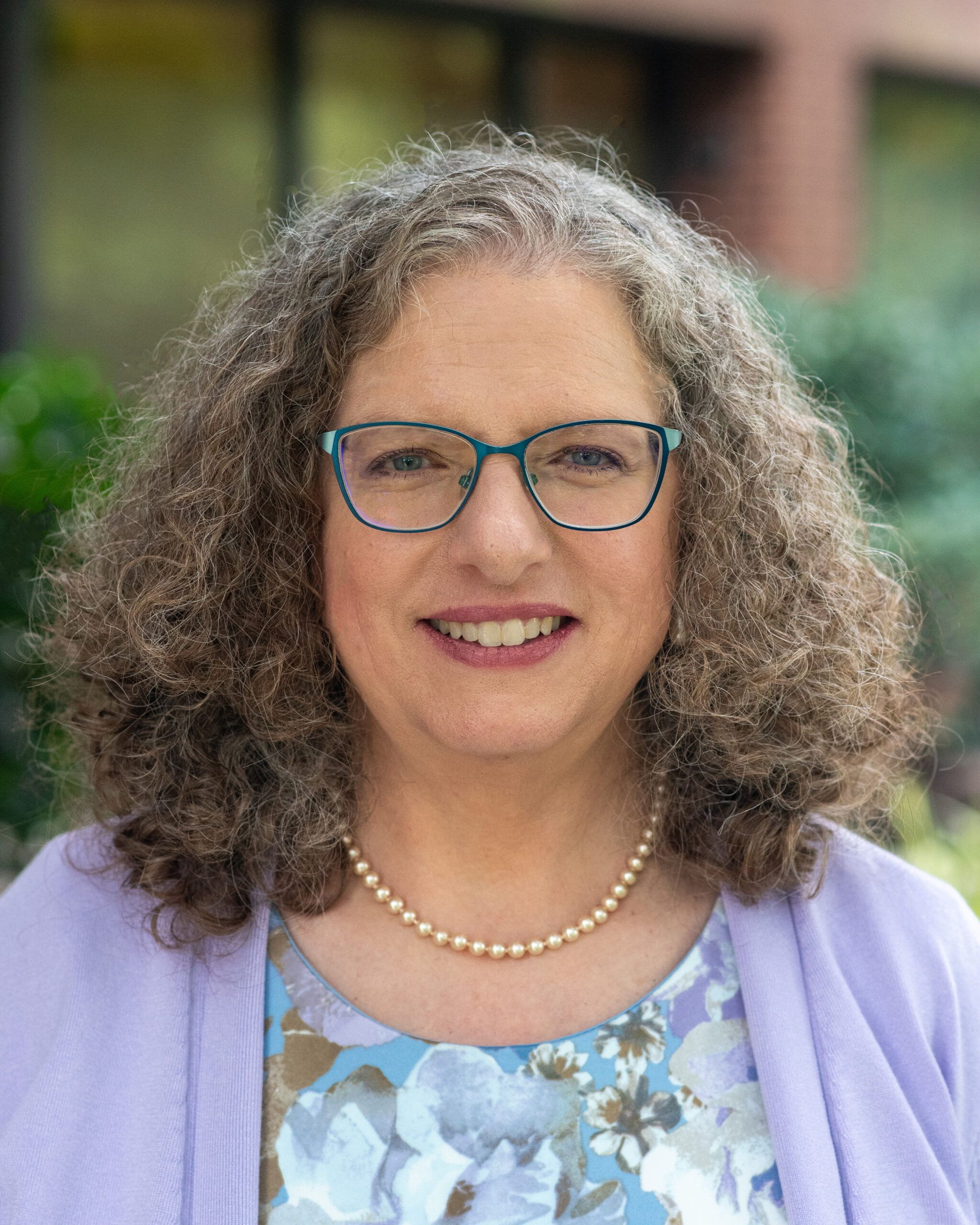


With Lisa Klewicki, MAT, Ph.D., Harvey Payne, Psy.D. and Philip Scrofani, Ph.D., ABPP

- Length
- 1 hr
- Lessons
- 1
- Level
- Intermediate
- Version
- Catholic
- Price
- Free
About this course
Every counselor carries a working picture of what a human being is, and most of the time it stays out of sight until a client who does not fit it walks in. This course takes up that picture directly. Four Divine Mercy University psychologists, Lisa Klewicki, Helena Orellana, Harvey Payne, and Philip Scrofani, sit down to ask what changes in clinical practice when the person across from you is understood as created uniquely, in the image and likeness of God, and therefore as a genuine mystery rather than a type to be filed.
The conversation moves on two levels at once. On one level it is deeply personal: Orellana's conviction that the client is a subject, not an object, "an entire world in which I don't know," and that the only fitting response is curiosity and wonder. On the other level it is historical and professional: Scrofani's first-hand account of how diversity theory has moved through a "colorblind" phase that stressed our sameness, a "multicultural" phase that celebrated difference, a period when in-group and out-group loyalties turned difference divisive, and the current "polycultural" recognition that every culture stands on the shoulders of others. The through-line is a claim with real clinical consequences: refuse to reduce the client to a category or to your own frame, and let the slow work of discovery build trust across difference.
This is a single-lesson continuing-education course built around a short faculty video, followed by formation-oriented reading, a reflection activity, discussion questions, two enrichment sections (psychological and spiritual), and a post-test. It offers NBCC continuing-education credit for counselors and speaks equally to pastoral-care professionals who accompany others across lines of difference.
Who this course is for
Licensed and pre-licensed mental health counselors
Need NBCC clock hours in Social and Cultural Foundations and want formation, not just compliance.
Also for Catholic and faith-integrating therapists; Spiritual directors; Chaplains; Pastoral-care workers who accompany people across cultural and ethnic difference.
Curriculum
-
Module 1
Approaching Difference with Curiosity, Wonder, and Reverence
- 1.Approaching Difference with Curiosity, Wonder, and Reverence
More courses

When God Feels Silent: Discerning Consolation in Prayer
Ever prayed and felt nothing? You aren't doing it wrong. In this Divine Mercy University course, discover how God speaks, why feelings aren't the goal, and how St. Teresa’s garden analogy shows if your prayer life is truly growing.
1 hr · 1 lesson · Intermediate
With Fr. John Bartunek, LC

You Shall Not Be Overcome: Spiritual Vanity, Sacred Darkness, and the Peace That Persists
Why does prayer go dry? Fr. Groeschel reveals the hidden danger in spiritual progress — and the ancient promise that will carry you through.
1 hr 25 min · 3 lessons · Intermediate
With Fr. Benedict Groeschel, C.F.R.

Failure Is Not an Option: Leadership, Decision-Making & Virtue Under Pressure
An asynchronous, six-lesson formation course that uses six scenes from the film Apollo 13 (1995) — set beside the real April 1970 mission — as a case study in how good decisions get made and good character is revealed when everything is on the line.
3 hrs · 8 lessons · Beginner