Catholic · Emmaus course
The Disclosure: A Catholic Christian Meta-Model Approach to Premarital Counseling for Helping Professionals
Two Weeks Before the Wedding — Honesty, forgiveness, and the whole person in premarital counseling
A woman discloses a hidden past two weeks before her wedding. How do you respond? In this 1-hour NBCC CE course, a Divine Mercy University faculty panel models a whole-person approach to a client's disclosure through honesty, forgiveness, and vocation. For counselors and pastoral pros.
NBCC CE · 1 clock hour
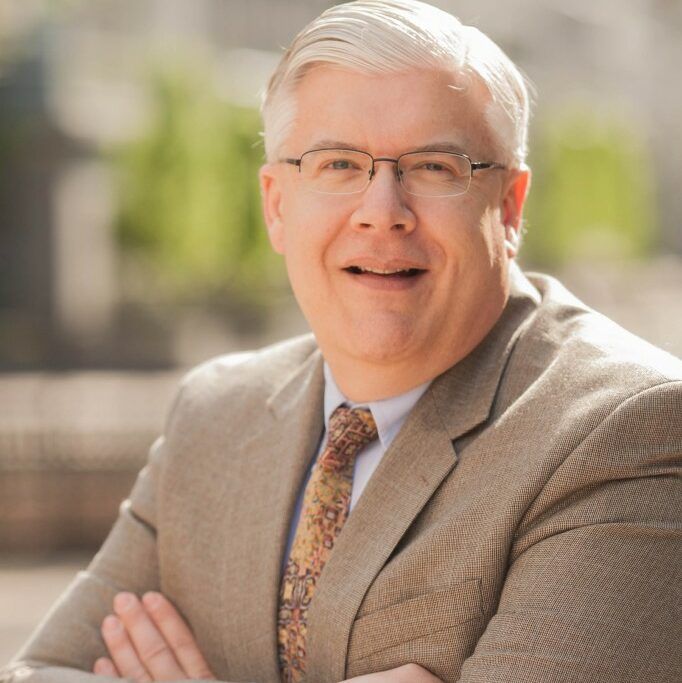

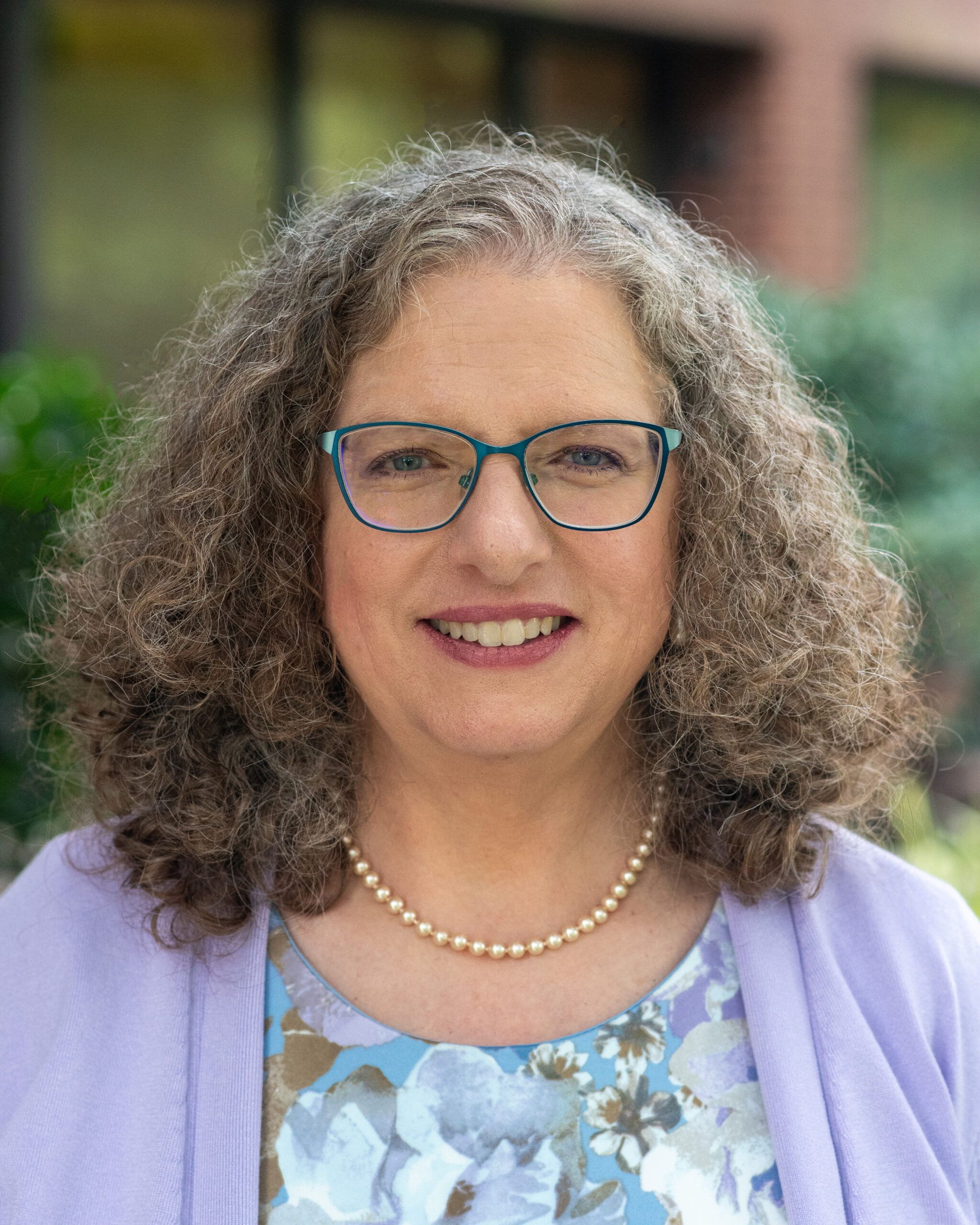
With Harvey Payne, Psy.D., Craig Steven Titus, S.T.D., Ph.D., Lisa Klewicki, MAT, Ph.D. and Matthew McWhorter

- Length
- 1 hr
- Lessons
- 1
- Level
- Beginner
- Version
- Catholic
- Price
- Free
Help me respond wisely, not reactively, when a client tells me something hard — and let the hour count toward my hours.
About this course
She built her whole relationship on honesty. That's what makes this so hard. Two weeks before the wedding, she comes to you alone: she told her fiancé she was a virgin, and the truth is very different. She isn't asking whether honesty matters. She's asking what to do now — and she's asking you.
In this recorded panel, four Divine Mercy University faculty think the case through out loud, using the Catholic Christian Meta-Model of the Person instead of reaching for a quick technique. You'll watch experienced clinicians begin with the client's dignity, treat marriage as a lifelong vocation that asks for both honesty and forgiveness, and keep the whole person — conscience, emotion, relationships, and her relationship with God — in view.
What you'll walk away with: A repeatable way to slow down and see the whole person when a client's disclosure lands hard. Language for honesty and forgiveness that respects the client's freedom and worldview. A clear read on when to bracket your own values and when to integrate them — with the client's consent. 1.0 NBCC clock hour toward your certification, on material you'll actually use Monday morning.
Self-paced and online. About one hour. Retake the post-test if you need to. Certificate issued on completion.
Who this course is for
Licensed counselors and NCCs
Licensed counselors and NCCs who need CE hours and prefer earning them on material that actually sharpens practice, not filler.
Also for Pastoral counselors; Spiritual directors; Clergy; DMU alumni.
Common questions
- Is this just theology, or will it help my practice?
- Lead with the clinical payoff (whole-person assessment, the bracketing/integration decision), then let the depth be a bonus. The Further Reading proves the rigor without the sales page having to argue it.
- One hour — is it worth my time?
- Frame the hour as leverage, not a cost: "one hour that changes how you handle every hard disclosure after it." Mental accounting — position it against the value of the skill, not against the clock.
- Do I have to be Catholic?
- Say plainly that the model meets clients of any worldview, and that the course itself teaches how to hold a coherent view of the person while respecting a client's freedom. The video makes this point directly ("the meta-model doesn't change… regardless of worldview"), so quote it.
From the course syllabus
She built her whole relationship on honesty. That’s what makes this so hard. Two weeks before the wedding, she comes to you alone: she told her fiancé she was a virgin, and the truth is very different. She isn’t asking whether honesty matters. She’s asking what to do now — and she’s asking you.
In this recorded panel, four Divine Mercy University faculty think the case through out loud, using the Catholic Christian Meta-Model of the Person instead of reaching for a quick technique. You’ll watch experienced clinicians begin with the client’s dignity, treat marriage as a lifelong vocation that asks for both honesty and forgiveness, and keep the whole person — conscience, emotion, relationships, and her relationship with God — in view.
Participants are invited to reflect not only on how they would respond to a client’s disclosure, but also on their own presence, assumptions, and values as helping professionals.
Curriculum
-
Module 1
The Disclosure: A Catholic Christian Meta-Model Approach to Premarital Counseling for Helping Professionals
- 1.Two Weeks Before the Wedding: Honesty, Forgiveness, and the Whole Person in Premarital Counseling
More courses

When God Feels Silent: Discerning Consolation in Prayer
Ever prayed and felt nothing? You aren't doing it wrong. In this Divine Mercy University course, discover how God speaks, why feelings aren't the goal, and how St. Teresa’s garden analogy shows if your prayer life is truly growing.
1 hr · 1 lesson · Intermediate
With Fr. John Bartunek, LC

You Shall Not Be Overcome: Spiritual Vanity, Sacred Darkness, and the Peace That Persists
Why does prayer go dry? Fr. Groeschel reveals the hidden danger in spiritual progress — and the ancient promise that will carry you through.
1 hr 25 min · 3 lessons · Intermediate
With Fr. Benedict Groeschel, C.F.R.

Failure Is Not an Option: Leadership, Decision-Making & Virtue Under Pressure
An asynchronous, six-lesson formation course that uses six scenes from the film Apollo 13 (1995) — set beside the real April 1970 mission — as a case study in how good decisions get made and good character is revealed when everything is on the line.
3 hrs · 8 lessons · Beginner