Catholic · Emmaus course
No One Is Interchangeable: The Image of God and the Dignity of Every Client
A single clock hour that changes how you see every client — grounded in the conviction that no person is interchangeable.
You already believe every client has dignity. This one-hour course gives you the foundation for why — and shows what changes in the room when you treat each person as irreplaceable. Built by DMU faculty.
NBCC CE · 1 clock hour
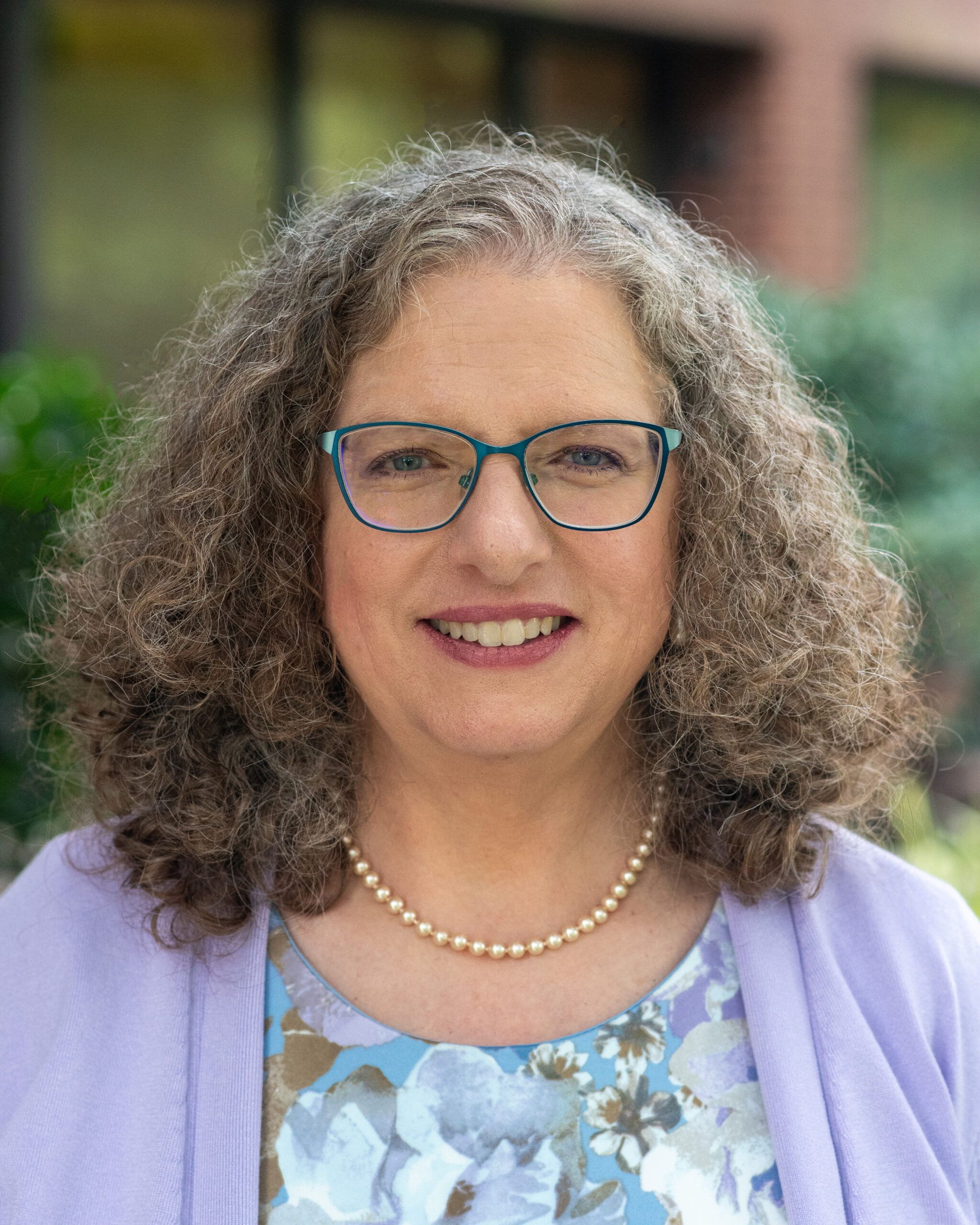
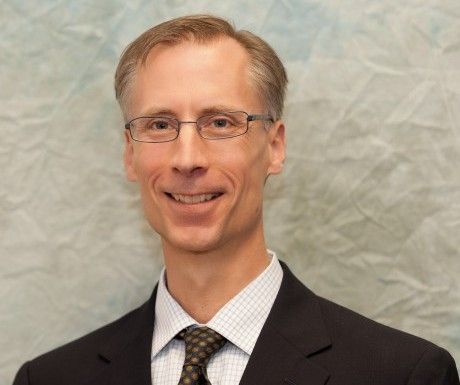
With Lisa Klewicki, MAT, Ph.D., Craig Steven Titus, S.T.D., Ph.D. and Dr. William Nordling

- Length
- 1 hr
- Lessons
- 1
- Level
- Intermediate
- Version
- Catholic
- Price
- Free
(1) earn a required clock hour from a provider they respect, and (2) come away with something that actually changes how they practice, not another hour of forgettable slides.
About this course
Every counselor operates from some picture of what a human being is. Most of the time that picture stays unexamined — until it fails a client. This course takes up a question that three Divine Mercy University faculty pose in conversation: what actually changes in clinical practice when the person across from you is understood as made in the image and likeness of God? Drawing on a faculty panel with Lisa Klewicki, Bill Nordling, and Craig Steven Titus, the course develops four foundational claims — that the person is created good, called to flourishing and meaning, relationally bound to others as brother and sister, and created uniquely and irreplaceably — and shows how each one reshapes the way a clinician sees, assesses, and sits with another human being. The heart of it is a claim with real clinical consequences: when human dignity is grounded in who a person is rather than what they can do, it becomes something no diagnosis, no group label, and no lapse in functioning can take away. That grounding is what protects clients against being quietly reduced to a category — the safeguard, as the panel puts it, against racism, sexism, and subordinating the individual to the collective.
Who this course is for
Licensed and pre-licensed mental health counselors seeking NBCC clock hours
Licensed and pre-licensed mental health counselors seeking NBCC clock hours who also want formation, not just compliance.
Also for Catholic and faith-integrating therapists; Spiritual directors; Chaplains; Pastoral-care workers.
From the course syllabus
Every counselor operates from some picture of what a human being is. Most of the time that picture stays unexamined — until it fails a client. This course takes up a question that three Divine Mercy University faculty pose in conversation: what actually changes in clinical practice when the person across from you is understood as made in the image and likeness of God? Drawing on a faculty panel with Lisa Klewicki, Bill Nordling, and Craig Steven Titus, the course develops four foundational claims — that the person is created good, called to flourishing and meaning, relationally bound to others as brother and sister, and created uniquely and irreplaceably — and shows how each one reshapes the way a clinician sees, assesses, and sits with another human being. The heart of it is a claim with real clinical consequences: when human dignity is grounded in who a person is rather than what they can do, it becomes something no diagnosis, no group label, and no lapse in functioning can take away. That grounding is what protects clients against being quietly reduced to a category — the safeguard, as the panel puts it, against racism, sexism, and subordinating the individual to the collective.
Curriculum
-
Module 1
The Irreplaceable Person: Imago Dei and Clinical Psychology
- 1.Lesson: The Irreplaceable Person: How the Image of God Grounds Dignity in Clinical Practice
More courses

When God Feels Silent: Discerning Consolation in Prayer
Ever prayed and felt nothing? You aren't doing it wrong. In this Divine Mercy University course, discover how God speaks, why feelings aren't the goal, and how St. Teresa’s garden analogy shows if your prayer life is truly growing.
1 hr · 1 lesson · Intermediate
With Fr. John Bartunek, LC

You Shall Not Be Overcome: Spiritual Vanity, Sacred Darkness, and the Peace That Persists
Why does prayer go dry? Fr. Groeschel reveals the hidden danger in spiritual progress — and the ancient promise that will carry you through.
1 hr 25 min · 3 lessons · Intermediate
With Fr. Benedict Groeschel, C.F.R.

Failure Is Not an Option: Leadership, Decision-Making & Virtue Under Pressure
An asynchronous, six-lesson formation course that uses six scenes from the film Apollo 13 (1995) — set beside the real April 1970 mission — as a case study in how good decisions get made and good character is revealed when everything is on the line.
3 hrs · 8 lessons · Beginner