Christian · Emmaus course
Goals That Move the Group: Setting Direction Across Group Therapy Models
How direction actually emerges in process and psychoeducational groups.
Goals matter in every group, but they are not set the same way in every group. In this conversation, Prof. Gabriel Dy-Liacco shows Dr. Harvey Payne how direction emerges in a psychodynamic process group — through honest expression, linking, and shared themes — and how that differs from the direct goal-setting of a psychoeducational group. You will leave able to read a group’s design and set direction accordingly.
NBCC CE · 1 clock hour · Group Counseling
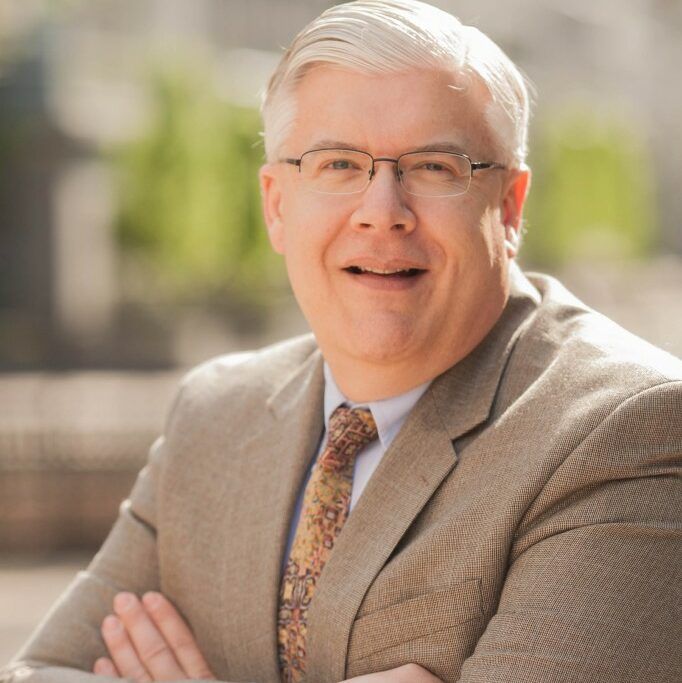
With Dr. Gabriel S. Dy-Liacco and Harvey Payne, Psy.D.

- Length
- 1 hr
- Lessons
- 1
- Level
- Intermediate
- Version
- Christian
- Price
- Free
About this course
Ask a room of strangers what they want, and wait. That is roughly where a process group begins, and it can feel like the opposite of good clinical practice — no agenda handed out, no goals on the whiteboard. This lesson is about what the skilled facilitator is actually doing in that silence.
Prof. Gabriel Dy-Liacco and Dr. Harvey Payne work through a question every group leader eventually faces: how do you set goals when the model tells you not to hand them over ready-made? Their answer reframes goal-setting entirely. In a process group, the facilitator invites each member to name a hope, uses linking skills to turn separate voices into a working group, listens for the themes that surface, and hands those themes back for the group to own. In a psychoeducational or activity group, the same care for goals shows up more directly — helping members test whether a hope is realistic and tying it to the group’s shared purpose. One principle runs through both: the design and goals of the group, and of each member, shape how the facilitator behaves.
You will watch a real conversation between two clinicians, not a slide deck, and draw out a way of thinking you can carry into any group you lead. The lesson carries two enrichment readings — one psychological, grounded in Divine Mercy University faculty scholarship on the person, goals, and flourishing; one spiritual, drawing on Augustine, Aquinas, Ignatius, and Balthasar on desire, direction, and vocation. It closes with a ten-question post-test and earns 1.0 NBCC clock hour for licensed counselors in the Group Counseling content area.
By the end, you will be able to describe how goals are identified in process and psychoeducational groups, and analyze how a group’s design should shape your own facilitation — including when to redirect and where the limits on content lie.
Who this course is for
Graduate counselors needing CE
“CE is a box to check; most of it is dry.”
1.0 NBCC clock hour in Group Counseling — a real clinical conversation, not a compliance slog.
Group facilitators and interns
“I was trained in process or structured groups, not both.”
One principle that travels across both models, so you are not switching brains when the group format changes.
Pastoral care leaders and formators
“Group work is a clinical thing, not my world.”
You already ask people what they hope for. This shows you what to do next with what they say.
From the course syllabus
Goals matter in every group, but they are not set the same way in every group. This single-lesson course draws on a conversation between Prof. Gabriel Dy-Liacco and Dr. Harvey Payne about how direction is established across two very different models of group work. In a psychodynamic process group, the facilitator invites each member to name a hope, uses linking skills to turn separate voices into a working group, listens for common themes, and hands those themes back to the group to own. In a psychoeducational or activity group, the same concern for goals takes a more direct form — helping members test whether a hope is realistic and tying each person’s aims to the group’s shared purpose. One principle runs through both models: the design and goals of the group, together with each member’s goals, shape how the facilitator behaves, so goal-setting becomes part of the group’s interpersonal life rather than an administrative task done beforehand.
Curriculum
-
Module 1
Goals That Move the Group: Setting Direction Across Group Therapy Models
- 1.Goals That Move the Group: Setting Direction Across Group Therapy Models
More courses

When God Feels Silent: Discerning Consolation in Prayer
Ever prayed and felt nothing? You aren't doing it wrong. In this Divine Mercy University course, discover how God speaks, why feelings aren't the goal, and how St. Teresa’s garden analogy shows if your prayer life is truly growing.
1 hr · 1 lesson · Intermediate
With Fr. John Bartunek, LC

You Shall Not Be Overcome: Spiritual Vanity, Sacred Darkness, and the Peace That Persists
Why does prayer go dry? Fr. Groeschel reveals the hidden danger in spiritual progress — and the ancient promise that will carry you through.
1 hr 25 min · 3 lessons · Intermediate
With Fr. Benedict Groeschel, C.F.R.

Failure Is Not an Option: Leadership, Decision-Making & Virtue Under Pressure
An asynchronous, six-lesson formation course that uses six scenes from the film Apollo 13 (1995) — set beside the real April 1970 mission — as a case study in how good decisions get made and good character is revealed when everything is on the line.
3 hrs · 8 lessons · Beginner