Catholic · Emmaus course
Being There: The Art of Presence in Spiritual Direction
What makes a difference in spiritual direction? More than technique—it’s you. Explore how presence, warmth, reverence, deep listening, and authentic relationship become the most powerful tools for accompanying others toward healing, growth, and holiness.
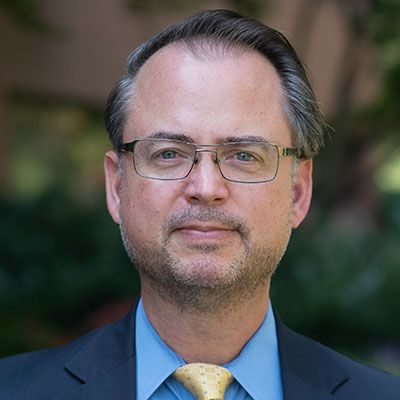
With Stephen Grundman, Ph.D., Lorli Pregel and Fr. Shawn Aaron

- Length
- 1 hr
- Lessons
- 1
- Level
- Intermediate
- Version
- Catholic
- Price
- Free
About this course
Researchers once spent years hunting for the single therapeutic technique that would reliably help people. What they found was humbling: the technique mattered far less than the person using it. The strongest predictor of a good outcome was the presence and way of being of the one leading the session.
This course takes that finding into the work of spiritual direction. In one focused lesson built around a filmed conversation among three experienced directors, you will learn why your own presence — your warmth, your reverence, your steadiness, the quality of your listening — is the first and most powerful skill you bring to accompaniment. You will see how genuine human warmth and deep respect for the sacredness of the person can be held together, how validation builds the trust that lets you call someone higher, and why being willing to sit with not-knowing can matter more than having the right answer.
The course pairs the practical wisdom of the panel with the scholarship of Divine Mercy University faculty on the therapeutic relationship, and with the Church’s own tradition of spiritual direction from Ignatius, John of the Cross, Tanquerey, Aumann, Nouwen, and Balthasar. It is designed for spiritual directors, pastoral care providers, and mental health counselors who want to form the one instrument no technique can replace: themselves.
Curriculum
-
Module 1
The Presence That Heals: Human Relating Skills for Spiritual Direction
- 1.Presence: Why Your Way of Being Is the Most Powerful Skill You Have
More courses

Relapse Is Not Failure: Treating Trauma and Addiction Together
Most clients who use substances are also carrying trauma. Learn what the ACE study shows, why people self-medicate, why relapse is common, and why trauma and addiction must be treated together, in your clients and in yourself.
55 min · 1 lesson · Intermediate

Intensity Is Not Intimacy: Addiction, the Family, and the Road to Recovery
Why do people trade their closest relationships for a bottle, a bet, or a screen? Family therapist Craig Nakken shows how addiction grows as a relationship, how it pulls in the family, and what recovery asks.
1 hr 20 min · 1 lesson · Intermediate
With Craig M. Nakken

Raising Adults, Not Kids: Forming Children of Character in a Toxic Culture
Parents are still the strongest influence on a child’s character. Developmental psychologist Dr. Thomas Lickona shares research-based, faith-filled principles for raising children of virtue in a toxic culture.
1 hr 30 min · 1 lesson · Intermediate
With Dr. Thomas Lickona